Breed Info
Pointer people like to say that their dogs don’t consider themselves dogs but members of the family. They’re sturdy and energetic enough to play all day with active children, and their alert nature makes them excellent watchdogs, sounding the alarm at anything out of the ordinary.
Although he’s focused in the field — full of energy and “hunt” — he’s fun-loving and mischievous at home. For the Pointer who’s not a regular hunting dog, training and plenty of daily exercise will help channel his active body and mind into constructive pursuits rather than the destruction that can be wrought by a bored Pointer.
He has a competitive spirit and an independent streak, but he’s also fun-loving and mischievous. An excellent watchdog, he’s protective of his property and will sound the alarm at anything out of the ordinary. In the field, he’s hard-driving and courageous. In obedience trials he’s willing and exuberant, performing the “come” command — known as the recall in the ring — as if shot out of a cannon.
Pointers are generally healthy, but like all breeds, they’re prone to certain health conditions. Not all Pointers will get any or all of these diseases, but it’s important to be aware of them if you’re considering this breed.
- Hip Dysplasia: This is a heritable condition in which the thighbone doesn’t fit snugly into the hip joint. Some dogs show pain and lameness on one or both rear legs, but you may not notice any signs of discomfort in a dog with hip dysplasia. As the dog ages, arthritis can develop. X-ray screening for hip dysplasia is done by the Orthopedic Foundation for Animals or the University of Pennsylvania Hip Improvement Program. Dogs with hip dysplasia should not be bred. If you’re buying a puppy, ask the breeder for proof that the parents have been tested for hip dysplasia and are free of problems. Hip dysplasia is hereditary, but it can also be triggered by environmental factors, such as letting a puppy gain too much weight too quickly or injuries incurred from jumping or falling on slick floors.
- Progressive Retinal Atrophy (PRA): PRA is a family of eye diseases that involves the gradual deterioration of the retina. Early in the disease, dogs become night-blind. As the disease progresses, they lose their daytime vision as well. Many dogs adapt to limited or complete vision loss very well, as long as their surroundings remain the same. Reputable breeders have their dogs’ eyes certified annually by a veterinary ophthalmologist and do not breed dogs with this disease.
- Epilepsy: Pointers can suffer from epilepsy, a disorder that causes mild or severe seizures. Epilepsy can be hereditary; it can be triggered by such events as metabolic disorders, infectious diseases that affect the brain, tumors, exposure to poisons, or severe head injuries; or it can be of unknown cause (referred to as idiopathic epilepsy). Seizures may be exhibited by unusual behavior, such as running frantically as if being chased, staggering, or hiding. Seizures are frightening to watch, but the long-term prognosis for dogs with idiopathic epilepsy is generally very good. Epilepsy can be controlled with medication, but it cannot be cured. A dog can live a full and healthy life with the proper management of this disorder. If your Pointer has seizures, take him to the vet right away for a diagnosis and treatment recommendations.
- Neurotropic Osteopathy: This rare bone disease can occur between the ages of 3 to 9 months and is caused by abnormalities in the nerves. It can lead to the degeneration of the spine.
- Allergies: Allergies are a common ailment in dogs. There are three main types of allergies: food-based allergies, treated by an elimination process of certain foods from the dog’s diet; contact allergies, caused by a reaction to a topical substance such as bedding, flea powders, dog shampoos, and other chemicals, and treated by removing the cause of the allergy; and inhalant allergies, caused by airborne allergens such as pollen, dust, and mildew. Treatment varies according to the cause and may include dietary restrictions, medications, and environmental changes.
- Cherry Eye: This condition occurs when the gland located in the dog’s third eyelid (known as the nictitating membrane) bulges out. It looks like a reddened mass at the inner corner of the eye. Cherry eye can be repaired surgically.
- Entropion: This defect occurs when the lower eyelid folds inward, resulting in chronic irritation of the eye’s surface. One or both eyes can be affected, and it’s usually obvious by six months of age. If your Pointer has entropion, you may notice him rubbing at his eyes. The condition can and should be corrected surgically.
- Cataracts: A cataract is an opacity on the lens of the eye, which causes difficulty in seeing. The eye(s) of the dog will have a cloudy appearance. Cataracts usually occur in old age and sometimes can be surgically removed to improve the dog’s vision.
- Chondrodysplasia: This genetic disorder that is commonly mislabeled as “dwarfism.” Dogs with the deformity have abnormally short limbs for the breed. It ranges in severity from “nearly normal” to severe crippling. In less severe cases, dogs have lived full and healthy lives but a dog that is diagnosed with chondrodysplasia or screened as a carrier should not be bred so as not to pass on the genes for the condition.
- Addison’s Disease: Also known as hypoadrenocorticism, this extremely serious condition is caused by an insufficient production of adrenal hormones by the adrenal gland. Most dogs with Addison’s disease vomit, have a poor appetite, and have little energy. Because these signs are vague and can be mistaken for other conditions, it’s easy to miss this disease as a diagnosis until it reaches more advanced stages. More severe signs occur when a dog is stressed or when potassium levels become high enough to interfere with heart function, causing severe shock and death. If your vet suspects Addison’s, she may perform a series of tests to confirm the diagnosis.
- Demodectic Mange: All dogs carry a little passenger called a demodex mite. The mother dog passes this mite to her pups in their first few days of life. The mite can’t be passed to humans or other dogs; only the mother passes mites to her pups. Demodex mites live in hair follicles and usually don’t cause any problems. If your Pointer has a weakened or compromised immune system, however, he can develop demodectic mange. Demodectic mange, also called demodicosis, can be localized or generalized. In the localized form, patches of red, scaly skin with hair loss appears on the head, neck and forelegs. It’s thought of as a puppy disease, and often clears up on its own. Even so, you should take your dog to the vet because it can turn into the generalized form of demodectic mange. Generalized demodectic mange covers the entire body and affects older puppies and young adult dogs. The dog develops patchy skin, bald spots, and skin infections all over the body. The American Academy of Veterinary Dermatology recommends neutering or spaying all dogs that develop generalized demodectic mange because there is a genetic link.
- Skin cysts: Cysts are fluid-filled sacs found beneath the skin. There are many different types, and treatment varies for each individual case.
They should not live outside but instead should enjoy the same comforts as their families. They do well in active homes where hiking, camping, and other outdoor activities are enjoyed by all. They do need a large fenced yard where they can run. When they’re given the exercise and training they need, they are quiet and mannerly house dogs.
The Pointer is an active, intelligent dog who needs daily exercise and stimulation. He was developed to be a hunting dog who could work all day long, and his exercise needs don’t change just because he’s a family companion. Give him at least an hour of exercise per day and more if possible. A vigorous walk isn’t enough. Take him running, teach him to run alongside your bicycle, play Frisbee in the backyard, or train him for agility, flyball, or other dog sports.
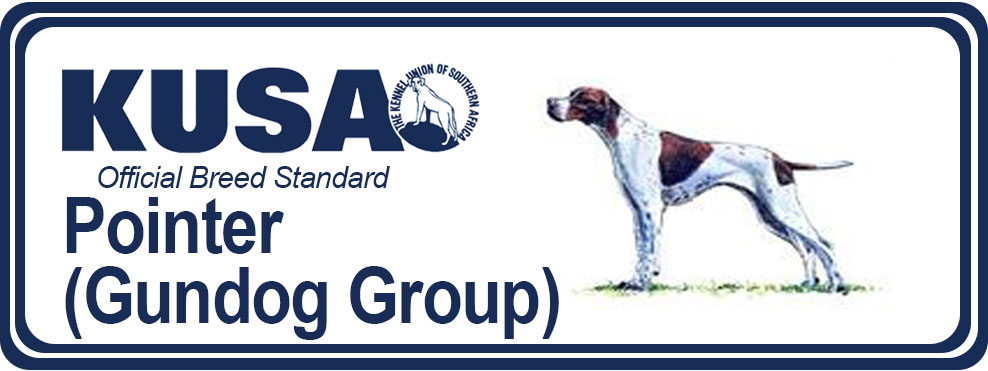
The Pointer has a striking coat of liver (dark brown), black, orange, or lemon, with or without a white background. Some Pointers have light or heavy speckles — called ticking — on the white areas of their coat. Tricolor Pointers (white, plus two other colors) exist but aren’t very common. Dark-colored Pointers have a black or brown nose; light-colored dogs have a light or flesh-colored nose.
The coat itself is short, smooth, and shiny. Give him a thorough brushing once a week with a hound mitt — a nubbly glove that fits over your hand — and he’s good to go. He sheds only lightly, and the regular brushing will help keep hair off your clothes and furniture. Rub him with a chamois and his coat will gleam.
In most cases, regular brushing and an occasional wipe down with a damp cloth or baby wipe will keep your Pointer clean, but he might need a bath three or four times a year. Use a shampoo made for dogs to keep the coat and skin from becoming dry, and be sure to rinse thoroughly to prevent itchiness from shampoo residue.
Pointers are usually good with children and other animals, particularly if they are raised with them. Teach children how to approach and touch dogs, and always supervise any interactions between dogs and young children to prevent any biting or ear or tail pulling on the part of either party. No dog should ever be left unsupervised with a child.
Pointers can also get along well with other pets, including cats, if they’re raised with them.